
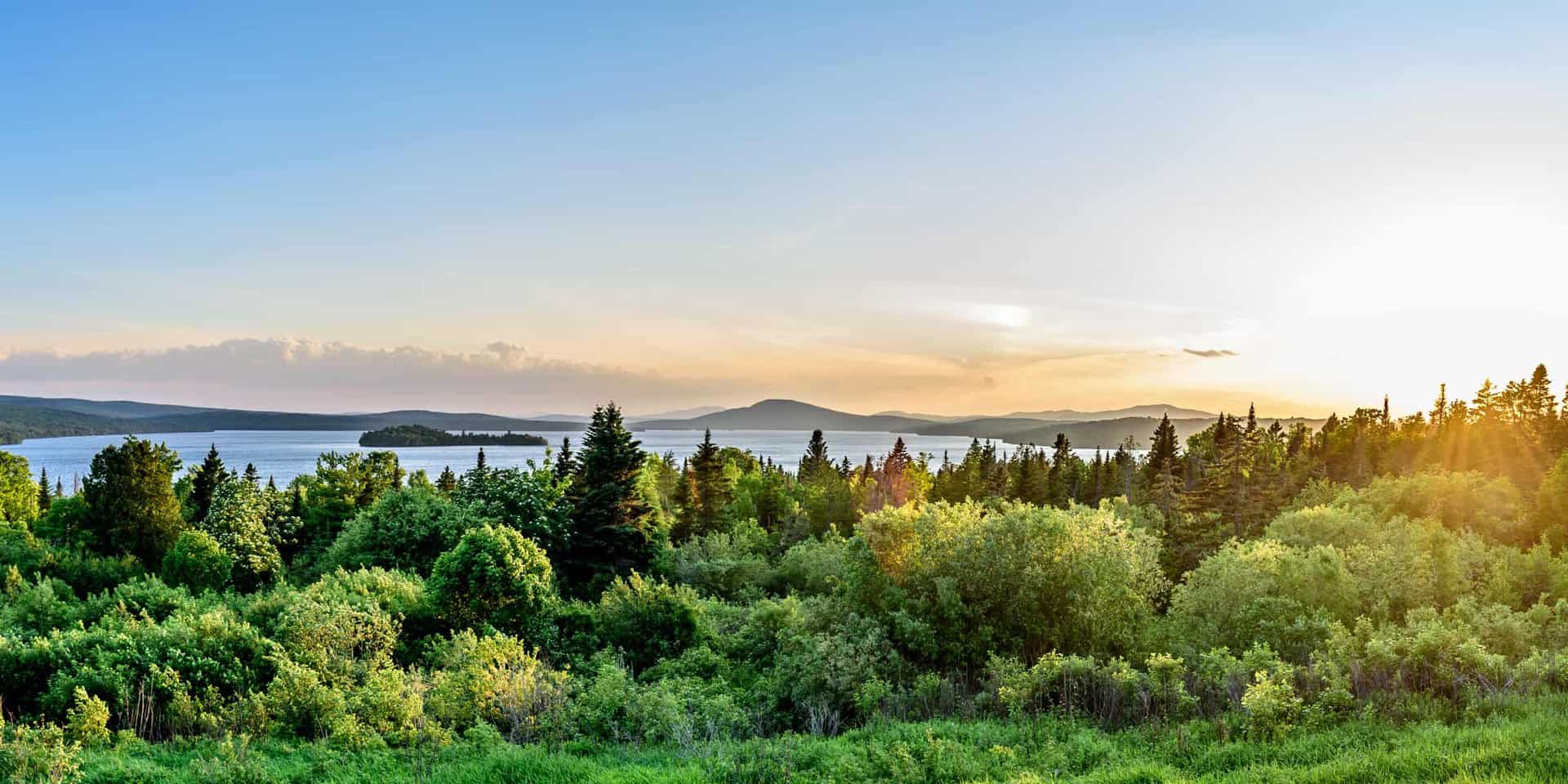
10 Things People Don’t Understand About Living in Northern Maine Until They Move Here
There is Maine—and then there is Northern Maine.
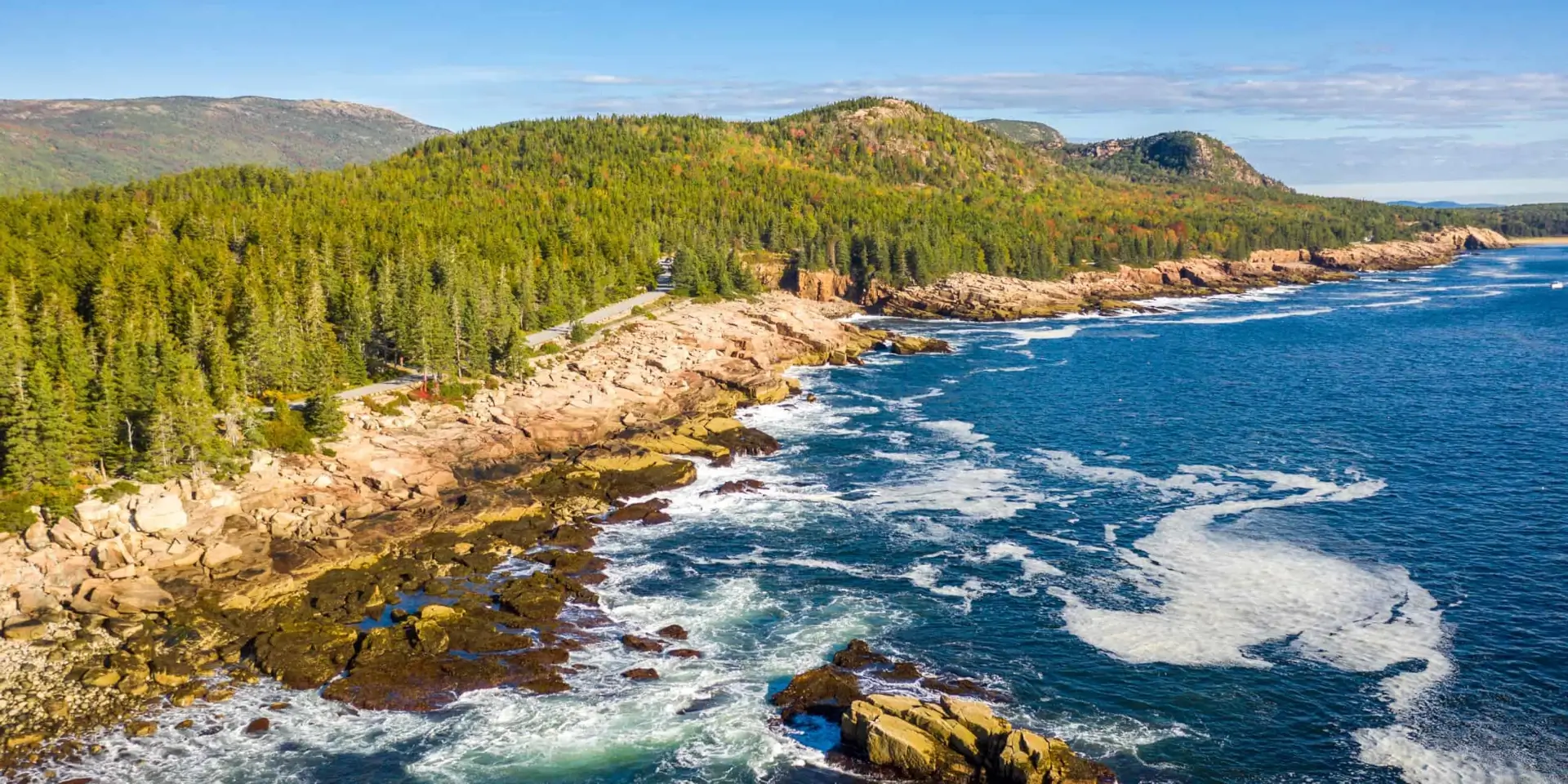
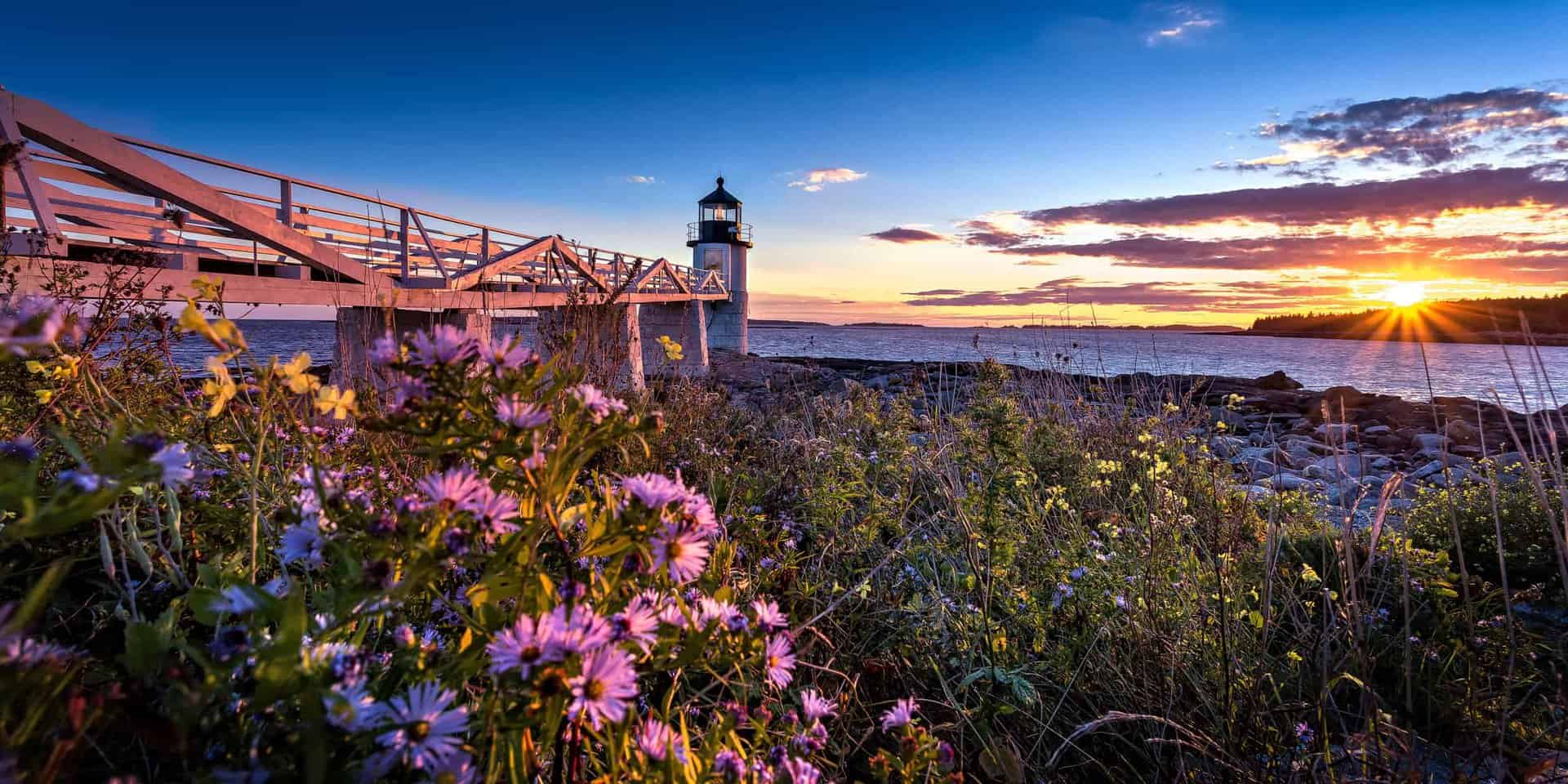
If your idea of Maine comes from pictures of rocky coastline, lobster boats, lighthouses, and summer traffic heading toward Bar Harbor, Northern Maine may surprise you.
Up here, life is a little different. The towns are smaller, the forests are bigger, traffic jams are rare, and your commute may involve more deer than cars. Ask someone how far away something is and you'll probably get an answer in minutes instead of miles.
For people considering a move to Northern Maine, that can be exactly the appeal. But there are a few things worth understanding before you pack the moving truck.
1. Thirty Miles Isn't Necessarily Far
In more populated parts of the country, driving 30 or 40 miles might sound like a major trip. In Northern Maine, it can simply be part of everyday life.
People routinely travel between communities for work, shopping, medical appointments, school activities, restaurants, and recreation. Because there is generally less traffic, Mainers tend to think about distance differently.
Ask how far Bangor is and someone might tell you, "About an hour." Ask how far the lake is and you'll hear, "Twenty minutes." Ask for the actual mileage and we may have absolutely no idea.
What matters is how long it takes to get there.
2. Privacy Means Something Different Here
If you're moving from a subdivision where your neighbor's kitchen window is 30 feet from yours, Northern Maine can feel remarkably different.
Properties with several acres are common in many rural areas, and in some locations your closest neighbor might be hundreds—or even thousands—of feet away. For many people, that's exactly what they're looking for.
Having more land can mean room for a garage or workshop, space for a garden, plenty of room for the dogs, a place for the ATVs and snowmobiles, or simply enough space to sit outside and hear almost nothing but nature.
That kind of privacy is difficult to put a price on. But rural living also means becoming more independent. Private roads, wells, septic systems, snow removal, generators, heating systems, and longer drives to services can all become part of everyday life.
Privacy comes with independence, and for many Northern Maine residents, that's part of the attraction.
3. Winter Isn't Just a Season—It's Something You Plan For
Northern Maine winters can be beautiful. Fresh snow on the trees, frozen lakes, snowmobile trails, ice fishing, skiing, snowshoeing, and cold mornings when everything outside seems completely still are all part of living here.
But winter also requires preparation.
When looking at a home, you need to think about where the snow from the driveway will go, who maintains and plows the road, what type of heating system the house uses, whether there is a backup source of heat, and whether the property has a generator or another plan for power outages. It's also useful to understand how much fuel or electricity the home typically uses during a Maine winter.
These aren't minor details when evaluating a Northern Maine property.
A home that works wonderfully in July needs to work just as well in January.
4. "Camp" Doesn't Necessarily Mean Camping
Tell someone from another state that you're going to camp and they may picture a tent, sleeping bag, and campfire.
That's not necessarily what a Mainer means.
A Maine "camp" could be a tiny off-grid cabin deep in the woods, a hunting camp reached by a gravel road, a seasonal cottage that's been in the same family for generations, or a beautiful lakefront property with electricity, a drilled well, septic system, internet, and nearly everything you'd expect in a year-round home.
Some camps are extremely rustic. Others could easily be mistaken for houses. What they often share is their purpose: they're places to get away, spend time outdoors, enjoy family and friends, and experience a part of Maine that can be difficult to describe until you've experienced it yourself.
"Going upta camp" is practically part of the Maine vocabulary.
And yes—we'll have an entire future article devoted to Maine camps.
5. Your Property Might Have Its Own Infrastructure
One of the biggest adjustments for people moving from cities or suburbs is discovering how independent rural properties can be.
Instead of connecting to public water, your home may get its water from a drilled or dug well. Instead of municipal sewer, you'll probably have a private septic system. The road leading to your house may be privately owned or maintained, and heating could come from oil, propane, wood, pellets, heat pumps, or a combination of several systems.
Many rural homeowners also have generators or other backup power arrangements because storms and outages are simply something you prepare for.
None of these things are necessarily good or bad. In fact, many Mainers appreciate the independence that comes with owning and maintaining their own systems.
The important thing is understanding what the property has, how those systems work, what condition they're in, and what they'll cost to maintain before purchasing the property.
6. Maine Has a Fifth Season: Mud Season
Everyone knows spring, summer, fall, and winter.
Mainers know better.
Between winter and spring comes mud season.
As the snow melts and frost begins leaving the ground, dirt roads, driveways, yards, and trails can soften considerably. That beautiful gravel road you drove down in August may look very different in March or April.
Mud season can also tell you quite a bit about a property. It's an opportunity to see how the driveway drains, whether water collects around the house, how well the culverts are working, whether the road develops soft areas, and how the land handles runoff from melting snow.
This is one reason seeing a rural property during less-than-perfect weather isn't necessarily a bad thing. A sunny summer afternoon shows you one side of a Maine property. A rainy spring day might show you something equally important.
7. Waterfront Property Requires More Homework Than You Might Expect
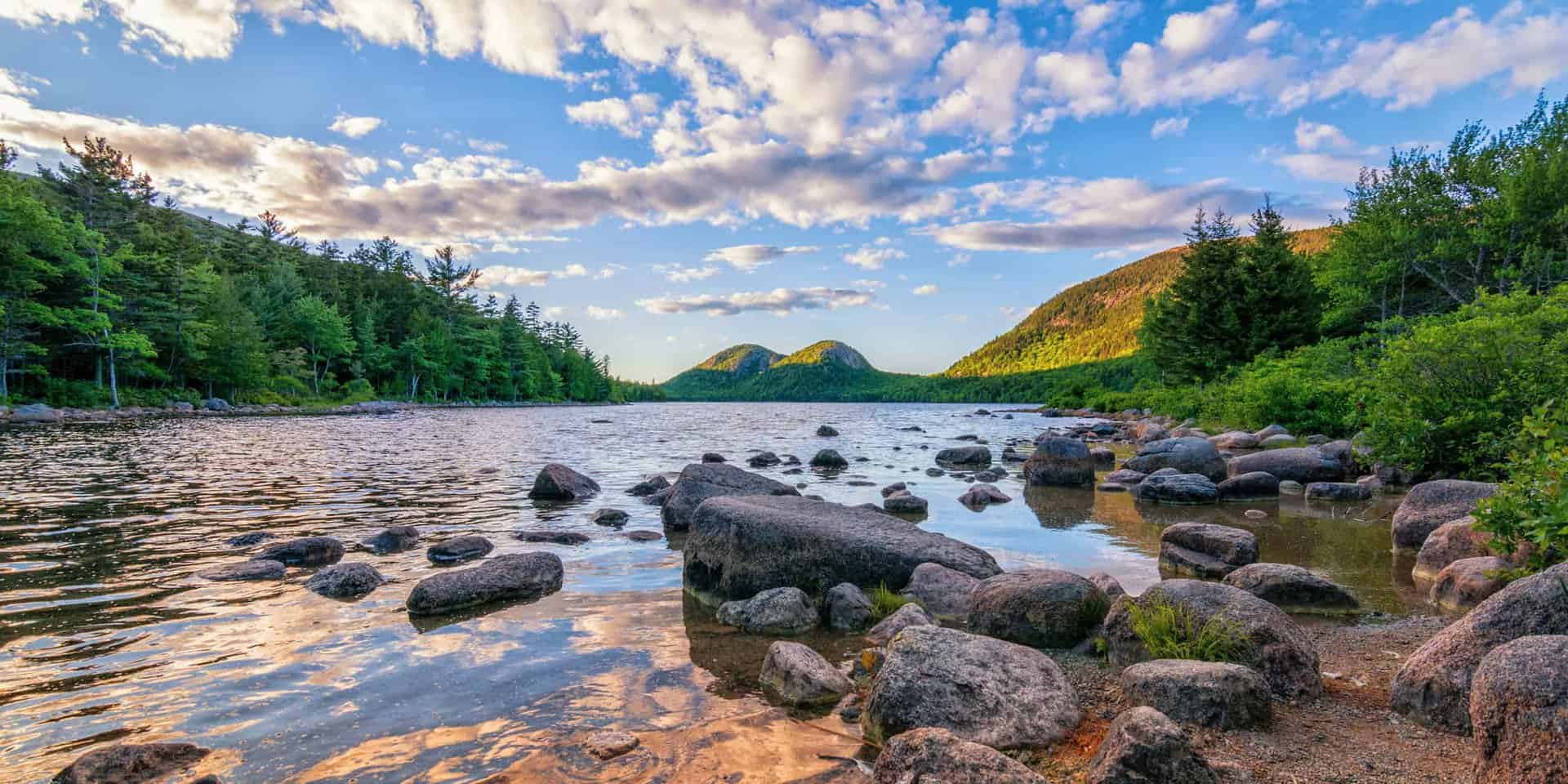
Northern Maine has an incredible amount of water. Lakes, ponds, rivers, brooks, and streams are part of what makes this region special, and owning waterfront property can be fantastic.
But here's something buyers occasionally learn the hard way: owning waterfront doesn't automatically mean you can build on it.
A property's lot size, dimensions, setbacks, shoreland zoning requirements, septic suitability, wetlands, existing development, local ordinances, and other restrictions can all affect what can be done with the land.
That means a gorgeous and surprisingly inexpensive waterfront lot could be perfect for swimming, kayaking, fishing, boating, picnics, or simply having your own access to the water while still not being suitable for constructing a home or camp.
The key is understanding what you're buying before you buy it.
We'll explore Maine waterfront property and shoreland zoning much more in a future True North article.
8. Outdoor Recreation Isn't Something You Always Drive To—It Can Be Outside Your Door
One of the greatest things about Northern Maine is how accessible outdoor recreation can be.
Fishing, hunting, boating, kayaking, hiking, ATV riding, snowmobiling, ice fishing, snowshoeing, and cross-country skiing aren't necessarily activities that require a weekend vacation. Depending on where you live, some of them can become part of an ordinary afternoon.
A property may be located near an ATV or snowmobile trail system, minutes from a public boat launch, close to thousands of acres of woods, or within an easy drive of several lakes and ponds. Some properties offer recreational opportunities directly from the land itself.
That's why buying property here isn't always just about bedrooms, bathrooms, countertops, and square footage.
Sometimes one of the most important questions you can ask is:
"Where can I go from here?"
For someone who enjoys the outdoors, the answer can completely change how they view a property.
9. Small Town Doesn't Mean Nothing Is Happening
Northern Maine communities may be smaller, but that doesn't mean they're empty.
Local restaurants, sporting events, agricultural fairs, festivals, farmers markets, ATV and snowmobile clubs, community organizations, schools, small businesses, and outdoor events create much of the social fabric of the region.
And in smaller communities, relationships matter.
The person plowing your driveway might also be someone you see at the grocery store. Your contractor may know the person who installed your septic system 20 years ago. Someone at the local hardware store may know exactly which fitting you need—and might even remember who owned your house before you did.
That kind of local knowledge and connection is difficult to duplicate in a larger community.
You don't necessarily have anonymity, but you do have community.
10. Northern Maine Isn't for Everyone—and That's Part of What Makes It Special
If you need a Starbucks every three miles, six-lane highways, food delivery at midnight, and dozens of stores within ten minutes, rural Northern Maine may require some adjustment.
But if your priorities include space, outdoor recreation, smaller communities, privacy, forests, lakes, and a slower pace of life, you may discover something entirely different.
Here, you can own some land, look up and actually see the stars, hear loons calling across a lake, watch deer wander through the backyard, or drive for miles surrounded by forests and water instead of buildings and traffic.
You might have to drive farther for groceries. Amazon might not always arrive tomorrow. A snowstorm can change your plans, and occasionally nature gets the final say.
But for the right person, those aren't necessarily inconveniences.
They're part of the reason for being here.
Finding Your True North
Buying property in Northern Maine requires looking beyond the house itself.
The road matters. The land matters. The water matters. The seasons matter. The community matters. And understanding how you're actually going to use the property matters.
At True North Realty Inc, we believe real estate is about more than finding an address. It's about understanding the property, the community, and the lifestyle that comes with it.
That's why our goal is simple:
Navigating Your Real Estate Journey.
Whether you're searching for a year-round home, waterfront camp, recreational property, investment, or a piece of Maine land to call your own, local knowledge can help you find the direction that's right for you.


Social