
What Does “Camp” Mean in Maine? A Guide for People From Away
If someone in Maine tells you they're headed to camp for the weekend, don't automatically assume they're packing a tent. They might be, but they could also be heading to a lakefront cottage with three bedrooms, a full kitchen, a drilled well, internet, and a television big enough to watch the Patriots game.
Welcome to Maine, where the word "camp" can mean something entirely different than it does in many other parts of the country.
For generations, camps have been part of Maine life. They're places where families gather, hunting traditions are passed down, kids learn to fish, friends meet after a day on the trails, and people go when they simply want to get away from everything for a while. But if you're thinking about buying a Maine camp, there's something important to understand: no two camps are necessarily alike.
So, What Exactly Is a Maine Camp?
There really isn't one definition that describes every Maine camp. At one end of the spectrum, you might find a small one-room cabin deep in the woods with no electricity, no running water, an outhouse, a wood stove, and an old propane light hanging on the wall. At the other end, you could find a beautiful lakefront property with multiple bedrooms, a full septic system, drilled well, modern kitchen, heat pumps, high-speed internet, and nearly every convenience of a traditional home. Somewhere between those two extremes are thousands of properties Mainers simply call camp.
The word often has less to do with the physical building and more to do with how the property is used. A camp is a place to get away from the routines of everyday life, spend time outdoors, enjoy family and friends, or simply find a little peace and quiet. It doesn't have to be fancy, and sometimes that's exactly the point.
Maine Camps Aren't Just on Lakes
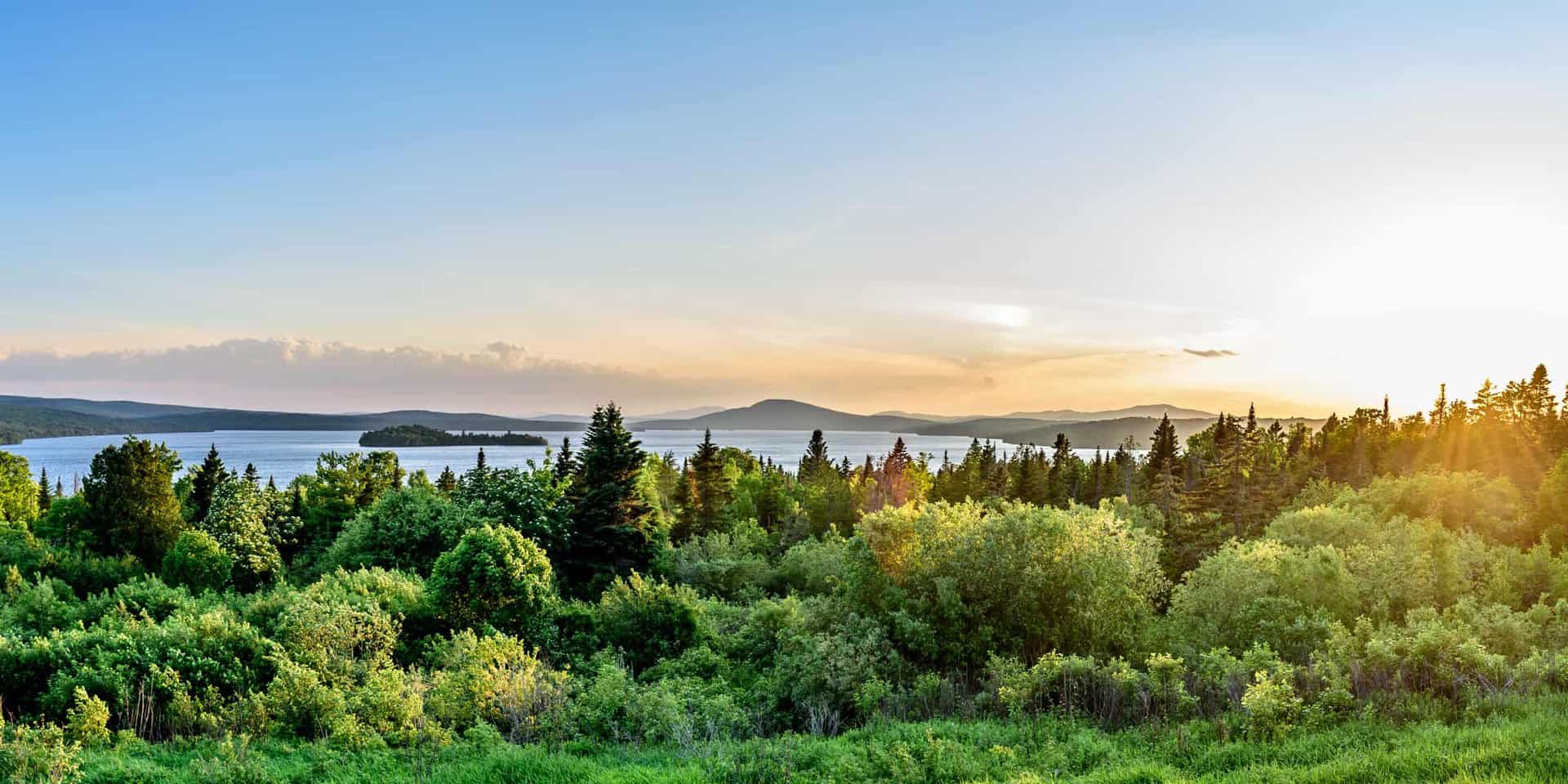
When people picture a Maine camp, they often imagine a small cabin sitting beside a quiet lake, but camps can be found almost anywhere. Some sit along ponds, rivers, streams, or brooks, while others are located miles into the woods on large tracts of land. Hunting camps may be positioned near areas traditionally used for deer, bear, bird, or moose hunting, while recreational camps may be located near ATV and snowmobile trail systems. There are even camps sitting on relatively small pieces of land that have simply been used by generations of the same family as a place to escape.
The location often tells you a great deal about what the camp was originally built for. A remote wooded camp may have been built around hunting or access to timberland, while a waterfront camp may have generations of family history centered around swimming, fishing, boating, and summer vacations. That's one reason it's important to understand not just the structure, but also the land and area surrounding it.
Seasonal Doesn't Always Mean Off-Grid
One of the biggest misconceptions about Maine camps is that a property described as seasonal must be primitive. A seasonal camp can have electricity, a drilled well, septic system, full bathroom, modern kitchen, internet service, and many of the same conveniences you'd find in a year-round residence.
What makes the property seasonal may be something entirely different. The road might not be maintained or plowed during the winter, the plumbing may not be designed to withstand freezing temperatures, or the water system may need to be drained and winterized every fall. The building itself may not have enough insulation for comfortable winter use, or it may simply have always been used as a three-season property. That's why buyers should look beyond the word "seasonal" and understand how the property actually functions throughout the year.
Getting There Can Be Half the Adventure
The road leading to a Maine camp can tell you almost as much about the property as the camp itself. Some camps sit directly on paved public roads and can be reached with virtually any vehicle, while others may require traveling several miles over privately maintained gravel roads, seasonal roads, logging roads, or established rights-of-way. In some of the more remote locations, winter access might mean arriving by snowmobile rather than pickup truck.
When considering a camp, it's important to understand who owns or maintains the road, whether there are maintenance fees or agreements, whether the road is plowed during winter, what legal rights exist for access, and how road conditions change throughout the year. A road that looks perfectly fine in August can be a very different experience during spring mud season or after two feet of January snow. That adventure can be part of what makes owning a Maine camp enjoyable, but it's better when you understand the adventure before buying the property.
Water at Camp Can Come From Many Places
At home, most people turn on the faucet without giving much thought to where the water comes from, but at a Maine camp that can be an important question. Some camps have drilled wells similar to those found at year-round residences, while others may rely on older dug wells, springs, or seasonal water systems. In certain situations, water may be drawn from a lake or pond for non-drinking purposes, and there are still plenty of rustic camps where the owners simply bring drinking water with them.
The important thing isn't necessarily which system the camp has; it's understanding the source, how the system operates, whether it functions year-round or seasonally, and whether the water has been tested if it's intended for drinking. When you own a rural property, knowing where your water comes from and how to maintain that system is simply part of understanding what you own.
Septic System, Holding Tank—or Something Else?
Wastewater systems at Maine camps can vary just as much as their water supplies. A more modern camp might have a conventional septic tank and disposal field, while an older property could have a system installed under standards that were very different from today's requirements. Rustic properties may have other arrangements altogether, which is why the existence of a bathroom or indoor plumbing doesn't necessarily tell you everything you need to know about how wastewater is handled.
Before purchasing a camp, it's important to understand what system serves the property, where it is located, what documentation may be available, and whether the system is appropriate for how you intend to use the property. This becomes especially important if you're considering renovations, adding bedrooms, expanding the structure, increasing occupancy, or attempting to convert a seasonal camp into a year-round residence. A little investigation before purchasing can prevent a much more expensive surprise later.
Can You Turn a Seasonal Camp Into a Year-Round Home?
Sometimes you can, but this is an area where assumptions can become expensive. It's easy to walk into a beautiful seasonal camp and think, "We'll just add some insulation, install another heat source, and live here year-round." In reality, converting a camp for year-round use can involve much more than improving the building.
Road access, zoning, shoreland requirements, septic capacity, water systems, foundations, insulation, plumbing, electrical systems, setbacks, and local regulations can all affect what is possible. A seasonal water line may need substantial changes, a road may not be maintained during winter, or an existing septic system may not support the buyer's plans. A property that works perfectly as a summer getaway may therefore require significant improvements before it can comfortably or legally serve the purpose you have in mind. If year-round use is your goal, it's worth investigating those questions before making the purchase rather than afterward.
Waterfront Camps Come With Additional Considerations
A camp sitting close to the water can be absolutely beautiful, but waterfront properties can also raise questions that a property farther inland may not. Many older Maine camps were constructed long before today's shoreland zoning standards existed, which means you may encounter structures sitting much closer to the water than would generally be permitted for new construction today.
That doesn't automatically mean there's a problem, but it does mean buyers should understand what currently exists and what restrictions may apply to future plans. Expanding, relocating, rebuilding, replacing, or substantially altering an existing structure can raise questions involving shoreland zoning and other state or local requirements. With waterfront property, the question shouldn't only be "What is here today?" It should also be "What will I be able to do here tomorrow?" Understanding both can make a significant difference when deciding whether a particular camp is right for you.
Camp Is About More Than the Building
This might be the most important thing for someone from outside Maine to understand. You can evaluate the square footage, number of bedrooms, condition of the roof, water source, septic system, acreage, and everything else that comes with purchasing real estate, but those things don't completely explain why people become so attached to their camps.
Camp can mean drinking coffee on the porch before anyone else wakes up, teaching a child to cast a fishing line from the dock, hearing a loon across the lake after sunset, returning from a snowmobile ride and getting the wood stove going, playing cards when it rains, or listening to a hunting story that somehow gets a little better every year it's told. Sometimes camp is simply sitting beside a fire doing absolutely nothing and being perfectly happy about it. For many Maine families, camp isn't simply a piece of property. It's a tradition, a gathering place, and a collection of memories that grows with every season.
Before Buying a Maine Camp, Understand What You're Really Buying
A camp can be one of the most enjoyable properties you'll ever own, but it's important to evaluate much more than the building itself. Understand the access and how it changes with the seasons, learn about the water and wastewater systems, find out how the property is heated and whether electricity is available, and understand the road maintenance arrangements, boundaries, rights-of-way, waterfront restrictions, and any limitations that could affect future improvements.
Most importantly, think about how you actually want to use the property. A rustic off-grid hunting camp could be absolutely perfect for one buyer and completely wrong for another, while a seasonal lakefront cottage might be exactly what one family has dreamed about but unsuitable for someone looking for a year-round residence. Neither property is necessarily better than the other. They're simply designed for different people, different purposes, and different versions of the Maine experience.
Finding Your True North
At True North Realty Inc, we believe understanding how you want to use a property is just as important as finding the property itself. A Maine camp might be a weekend escape, a hunting headquarters, a summer gathering place, a waterfront retreat, or somewhere your family returns to for generations.
Whatever "camp" means to you, understanding the land, access, systems, location, and limitations can help you make a better decision before purchasing. Because sometimes finding the right property isn't about finding more—it's about finding the place where you can get away from everything else.
That's part of Navigating Your Real Estate Journey.


Social